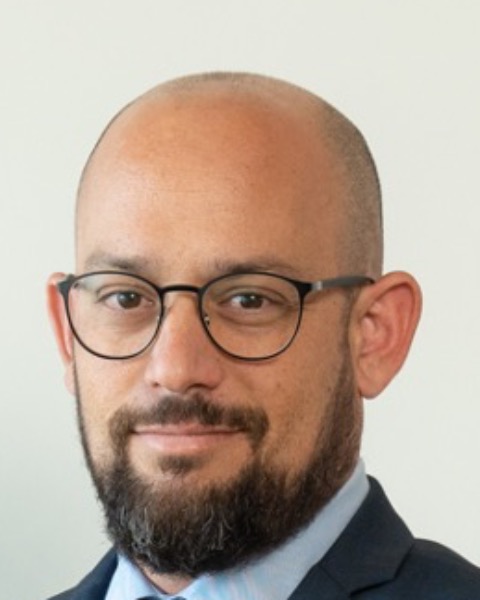
The rapid proliferation of uncrewed maritime platforms has created a growing imbalance between platform-level innovation and fleet-level operability. While navies and industry have focused heavily on autonomy, sensors, and mission payloads, far less attention has been given to the practical question of how large numbers of uncrewed systems are launched, recovered, and sustained at sea. This gap becomes critical when transitioning from experimental deployments to large, distributed fleets. This presentation argues that launch and recovery represent the primary technical and operational bottleneck to scaling maritime autonomy. Without reliable, repeatable, and low-crew launch and recovery processes, uncrewed fleets remain tethered to ports, bespoke platforms, or intensive manpower, undermining their promised advantages in persistence, resilience, and cost. Building on operational experience from real-world deployments, the talk reframes launch and recovery as a foundational enabler of a broader concept: distributed sustainment. Once uncrewed systems can be physically handled autonomously and safely at sea, new operational models become viable—where assets are cycled, repositioned, and sustained across a distributed force structure rather than centralized logistics hubs. The presentation focuses on the underlying technical and operational principles required to close this “last tactical mile.” It highlights why platform-centric thinking alone is insufficient, and why future maritime autonomy must integrate launch, recovery, and sustainment as core design drivers if uncrewed fleets are to operate at scale. The discussion reflects insights developed through years of applied work by SEALARTEC at the intersection of autonomy and naval operations, and aims to contribute to a more realistic and scalable vision of autonomous maritime forces.